The Ultimate Seoul Subway Guide
Local Secrets, Etiquette, & Scenic Rides
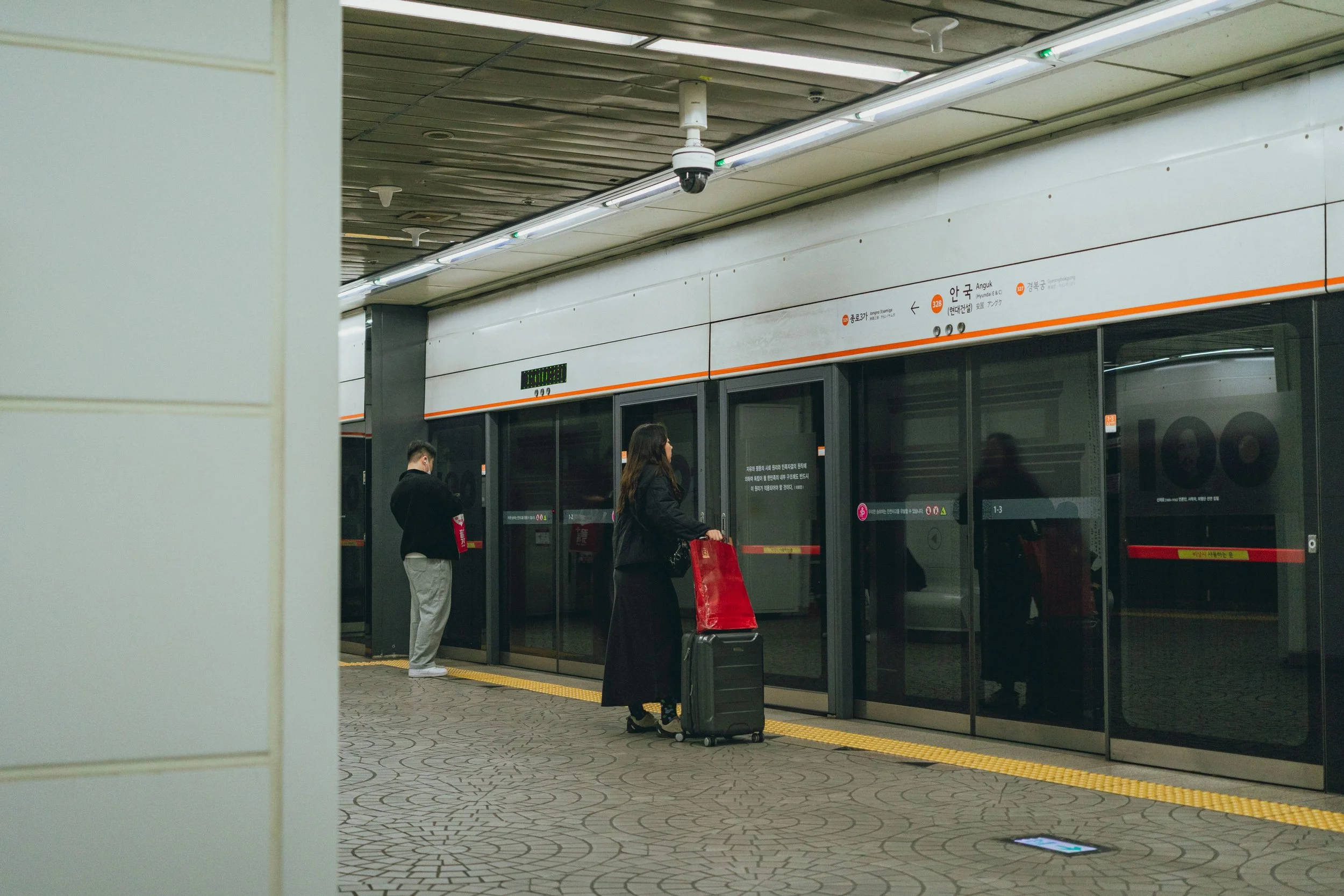
Navigating a massive city like Seoul can feel overwhelming, but its subway system is easily one of the cleanest, safest, and most efficient in the world. With 9 core numbered lines and over 15 connecting regional lines, you can get anywhere effortlessly.
Whether you're tapping in for the first time or looking for the best scenic routes, here is your essential real-talk guide to riding the Seoul subway like a local.
The Basics: Operating Hours & Fares
Running Hours: Subways run daily starting at 5:30 AM. Weekday service runs until 1:00 AM, while weekend trains end earlier (around 12:00 AM) to allow for track maintenance.
Base Fare: Standard adult fare starts at 1,550 KRW when using a transit card. Your total fare increases based on both total distance and travel time.
Connectivity: Expect lightning-fast cellular coverage and high-speed Wi-Fi even when traveling deep underground.
Well Air-conditioned and Heated.
Seoul subways are exceptionally safe. Pickpocketing and petty crime are virtually non-existent, even late at night.
T-money vs. Single-Use Tickets
Skip the hassle of buying single-ride tickets every time. Get a T-money card immediately upon landing.
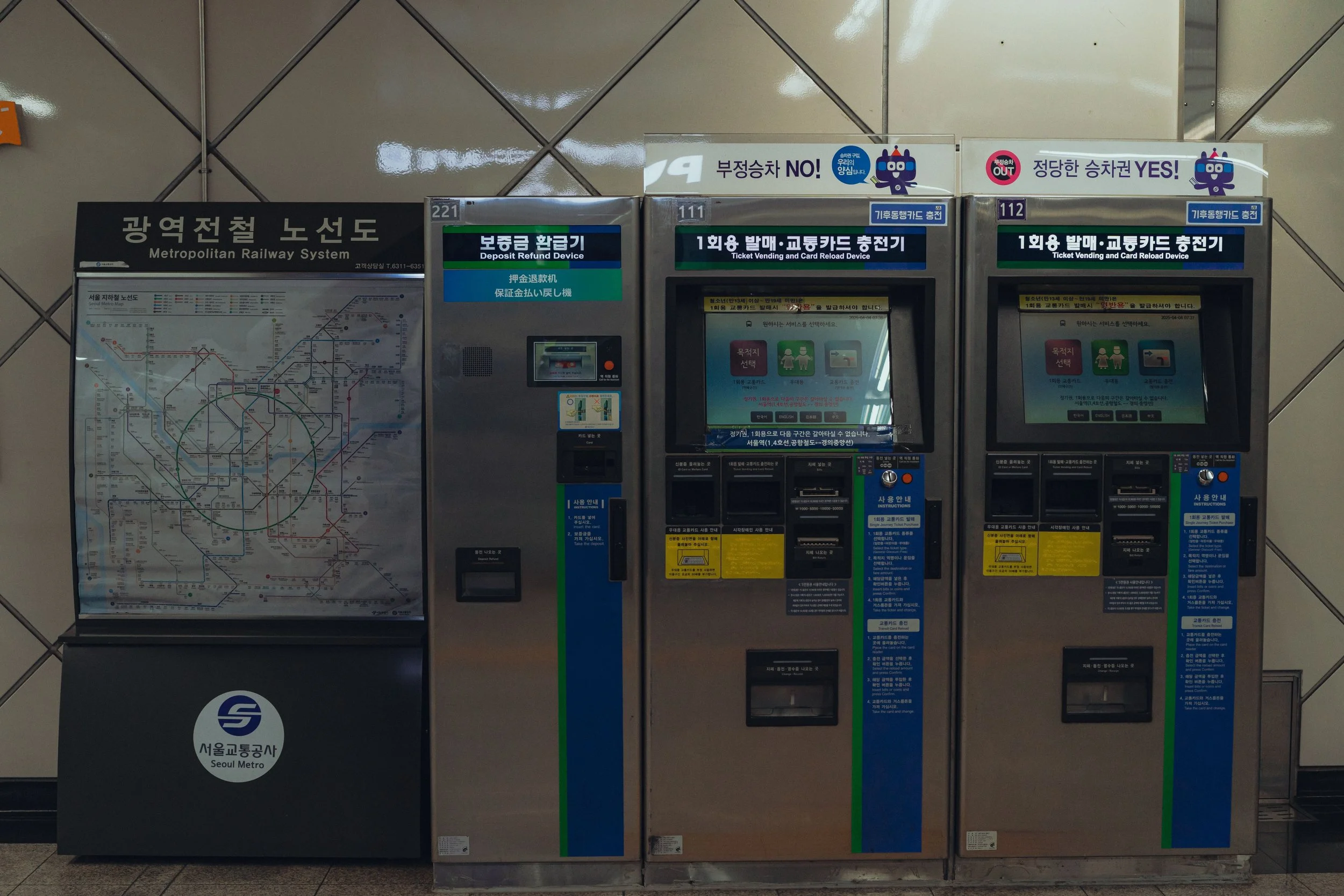
Where to Buy: Pick up a T-money card at any major convenience store (CU, GS25, 7-Eleven) or at subway ticket vending machines. You can also load digital cards on your phone via mobile apps.
Free Transfers: T-money gives you free transfers between subway lines and city buses up to 4 times within a 30-minute window (extended to 60 minutes between 9:00 PM and 7:00 AM).
Fare Traps to Avoid: Tapping onto standard lines (Express Train on Line 9) carries no extra charge. However, transferring onto the Shinbundang Line requires an extra surcharge! Keep an eye on the transfer gates.
Subway Etiquette & Local Rules
Free Public Restrooms: Need a clean bathroom on the street? Just head into the nearest subway station. They are 100% free, remarkably clean, and easy to access.
Escalator & Walking Flow: Stand on the right side of escalators to let commuters pass on the left. Walk on the right side of corridors whenever possible.
General Decorum: Keep noise levels down, avoid talking loudly on the phone, and never eat or drink inside the train cars or platforms. Avoid lying down, placing feet on seats, or sitting on the floor.
Priority Seating:
Know where you can and cannot sit
Seoul takes designated seating seriously.
Blue Seats (Elderly & Disabled): Located at both far ends of every train car. Keep these open at all times, even if the rest of the train is packed.
Pink Seats (Pregnant Passengers): Usually a single seat located near the center of the car. The general rule is to leave it empty. If you do sit down when the car is completely full, you must stand up immediately the moment a pregnant passenger boards.
Unique Stations, Aesthetic Views,
& Hidden Gems
Not all stations are just concrete tunnels.
—some offer spectacular urban views, pop-culture fame, and unique architectural design.
Most Beautiful Architecture:
Noksapyeong Station (Line 6) features a breathtaking multi-story underground atrium topped with a massive glass dome. Natural sunlight filters all the way down to the escalators, making it a favorite spot for photographers.
Best Mountain Views: Catch Line 3 between Samsong, Jichuk, and Gupabal for sweeping scenic views of Bukhansan Mountain.
Best Han River Views: For a scenic ride above ground, take Line 2 between Jamsilnaru and Gangbyeon as it crosses the Han River bridge. (Note: Lines 5 and 8 travel beneath the river floor, while Lines 6 and 9 run along the sides without crossing it).
Most Famous Station
The Bridge Station (K-Pop Demon Hunters Fame):Jayang Station (Line 7), formerly known as Ttukseom Park Station, is the only station in South Korea built directly on the underside of a major bridge (Cheongdam Bridge). Pop-culture fans will recognize this station from the Netflix animated hit K-Pop Demon Hunters!
Extra Ordinary Stations
The Garden Platform: Sindap Station (Line 2, Seongsu Branch) has a delightful hidden secret—a real-plant garden built directly onto the platform itself, making it one of the most peaceful hidden gems of the network.
TheDeepest Station: Head to Gimpo Airport Station (Seohae Line platform), sitting a mind-boggling 83 meters (27 stories) underground!
What to Do If You Lose Something
Left a bag or umbrella on the train? Don't panic.
Note your exact location, the train number, car/door number, and the precise time you stepped off.
Immediately notify the station staff at the nearest customer service center or call the Seoul Metro Lost & Found hotline (120 Dasan Call Center for English assistance).
Thanks to extensive CCTV and tracking systems, most items are recovered quickly.
